Inside the Bold Geoengineering Work to Refreeze the Arctic’s Disappearing Ice

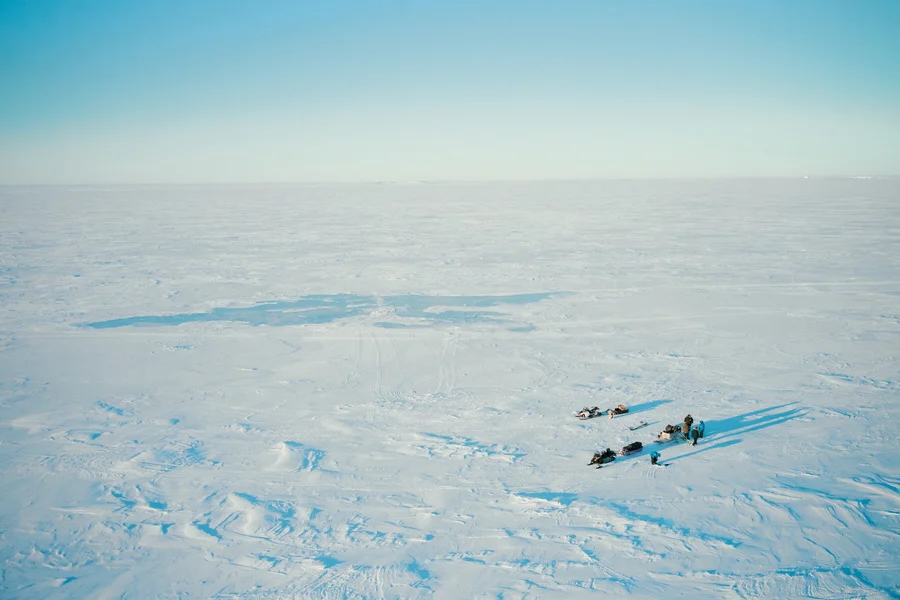
A haze of ice crystals in the air created a halo around the low sun as three snowmobiles thundered onto the sea ice on a February morning in far northern Canada. Wisps of snow blew across the white expanse. It was –26 degrees Celsius as we left Cambridge Bay, an Inuit village in a vast archipelago of treeless islands and ice-choked channels. This temperature was relatively warm—six degrees C above average. The winter had been the mildest in 75 years. The sea ice covering the Arctic Ocean was at its smallest extent on record. Scientists predict that within the next 15 years this ice cap will disappear in summer for the first time in millennia, accelerating global warming. The U.K. company Real Ice, whose heavily bundled team was bouncing around on the other two snowmobiles ahead of mine, hopes to prevent that outcome with an effort that has been called extremely ambitious, insane or even dangerous.
Read on at Scientific American

Listen to podcast at Science Quickly

Can Pulling Carbon from Thin Air Slow Climate Change?

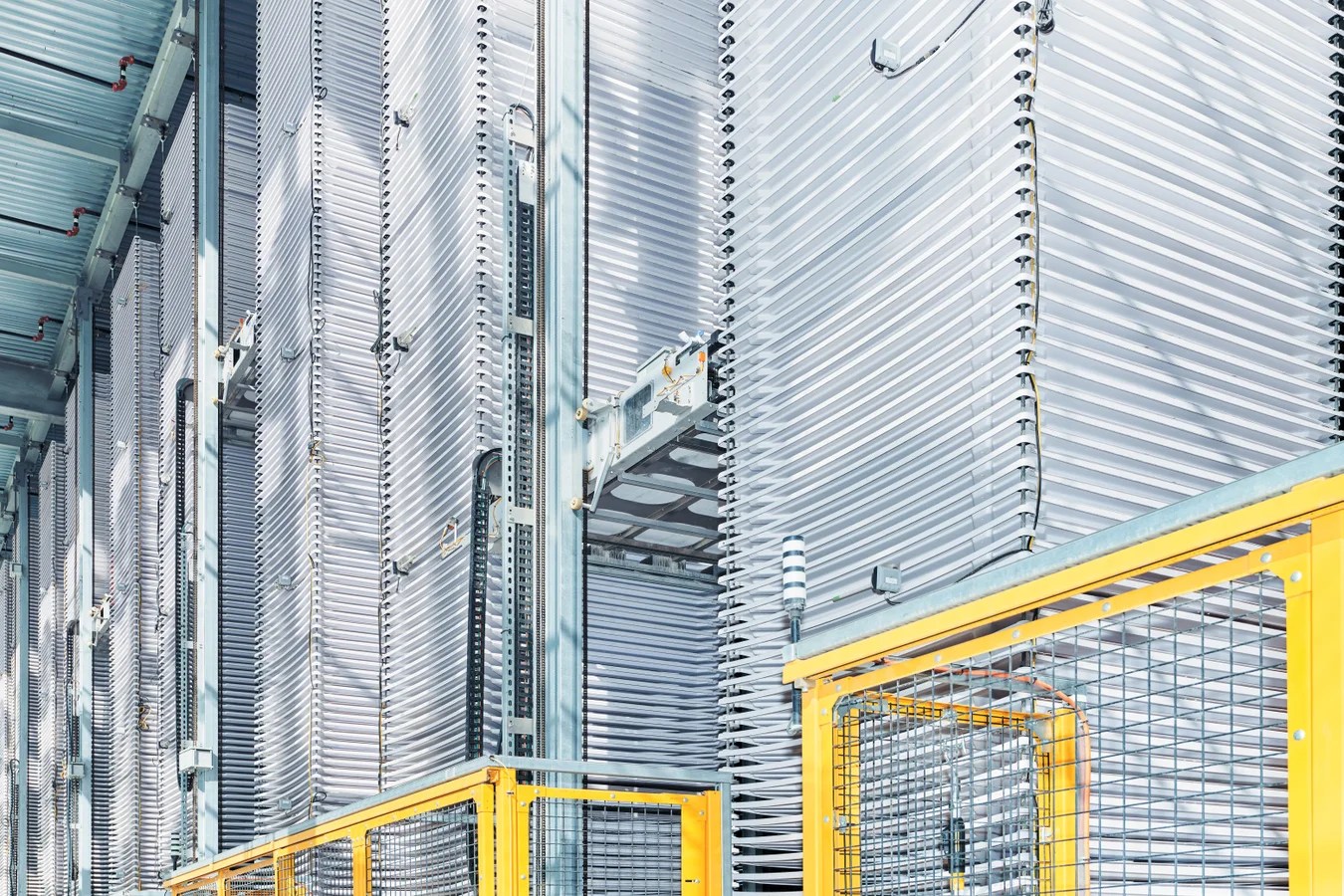
One evening in late 1997, 11-year-old Claire Lackner walked into her dad’s study looking for an idea for an experiment for her sixth-grade science class. Her dad, Klaus Lackner, happened to be a physicist working on nuclear fusion at Los Alamos National Laboratory. He’d grown skeptical that fusion could replace dirty fuels and had started thinking about how to take greenhouse gases out of the atmosphere instead. So he suggested Claire try to capture carbon dioxide from air. She bought an aquarium pump and bubbled air through a test tube of sodium carbonate, a base, which bonded with the acidic CO2 in the airstream, removing about 10 percent of it overnight. Claire won a prize at the county science fair, and her father later wrote a paper arguing that extracting CO2 from air “has a reasonable probability of success” at reducing global warming.

Scientists had known since the 1950s how to strip CO2 from the air inside submarines and spaceships to keep the crews from suffocating. But Lackner’s paper was the first to argue that we could strip it from the atmosphere to keep Spaceship Earth livable. Claire’s experiment, he says, showed “it’s not all that hard.”

Read on at Scientific American